Nell'attuale contesto industriale globale sempre più competitivo, efficienza, stabilità e sostenibilità sono diventate fattori fondamentali per la sopravvivenza e la crescita delle imprese.stampa, e la produzione di carta, che si basa fortemente su processi di produzione di precisione, richiedono sistemi di approvvigionamento di adesivi altamente efficienti e soluzioni di trattamento delle acque reflue scientificamente avanzate.Questi elementi costituiscono la base dell'eccellenza del prodotto, efficienza operativa e sviluppo sostenibile.
Recent showcases of China's advanced adhesive production equipment and cutting-edge wastewater treatment technologies reveal a comprehensive transformation toward intelligent and eco-friendly manufacturing in core industriesQueste innovazioni dimostrano non solo le capacità manifatturiere della Cina, ma anche la sua crescente capacità di innovazione e consapevolezza ambientale.
Attrezzature di produzione di adesivi: ingegneria di precisione per diversi bisogni industriali
Gli ultimi sviluppi nelle attrezzature di produzione di adesivi evidenziano i progressi tecnologici della Cina in questo settore specializzato.I sistemi di miscelazione di grande capacità con una stabilità eccezionale servono ora settori critici come la produzione di cartone ondulato e cartone, dando priorità sia all'affidabilità che alla flessibilità.
Materiali di prima qualità e costruzione robusta
I produttori di attrezzature utilizzano standard leader del settore per la selezione dei materiali.I componenti principali, in particolare i serbatoi di miscelazione e gli agitatori che entrano in contatto diretto con gli adesivi, utilizzano acciaio inossidabile SUS304 di alta qualità o acciaio al carbonio ad alta resistenza.L'acciaio inossidabile SUS304 offre una resistenza alla corrosione, all'ossidazione e alla pulizia superiori, garantendo la purezza dell'adesivo per applicazioni sensibili come gli imballaggi alimentari e farmaceutici.L'acciaio al carbonio ad alta resistenza offre un'eccezionale resistenza meccanica per la lavorazione di adesivi viscosi o contenenti particelle, garantendo la stabilità operativa a lungo termine.
Capacità di produzione scalabile
I moderni sistemi di miscelazione degli adesivi soddisfano diverse esigenze di produzione, che vanno da piccole unità da una tonnellata per la R & S o la produzione su misura a scala industriale.Modelli da 8 tonnellate e sistemi di lavorazione ad alta capacità 1I sistemi da 4,8 tonnellate consentono agli impianti di lavorazione della carta su larga scala di mantenere una fornitura costante di adesivi per ordini di grandi volumi, mentre 1500I sistemi a lotti da 200 kg supportano linee di produzione flessibili che richiedono un rapido cambio di prodotto per soddisfare le richieste specializzate del mercato.
Automazione e controllo intelligente
I sistemi avanzati di controllo logico programmabile (PLC) si integrano ora con le apparecchiature di produzione di adesivi,automatizzazione dei processi critici dalla proporzionalizzazione degli ingredienti ai parametri di miscelazione e alla consegna del prodotto finaleQuesta automazione riduce al minimo l'errore umano, garantisce la coerenza batch-to-batch e stabilisce protocolli di controllo della qualità affidabili, migliorando significativamente sia la produttività che la tracciabilità del prodotto.
Integrazione delle applicazioni a valle
La produzione intelligente va oltre la produzione di adesivi fino alle applicazioni a valle.Le laminatrici automatiche di cartone ondulato e le macchine di piegatura del cartone controllate dal PLC regolano ora i punti di applicazione degli adesivi, quantità e pressione in base alle dimensioni del substrato e alle caratteristiche dell'adesivo.Questi sistemi sincronizzati creano flussi di lavoro di produzione intelligenti completi che ottimizzano l'efficienza e la qualità dalle materie prime ai prodotti finiti.
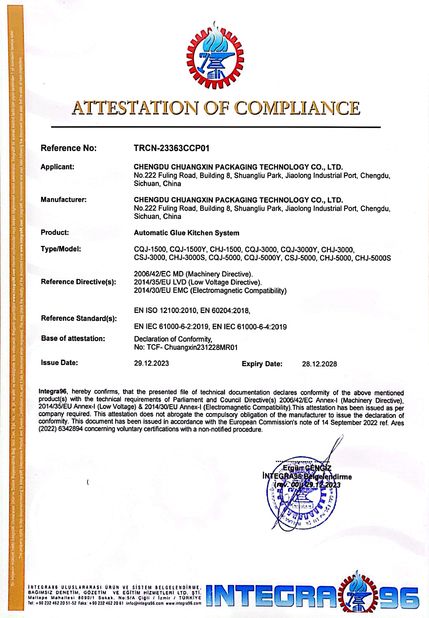
Sistemi adesivi automatici per amido
I sistemi innovativi di preparazione di adesivi per amido rappresentano una convergenza di produzione ecocompatibile ed efficienza operativa.questi sistemi regolano automaticamente la concentrazione di amido, viscosità e temperatura per abbinare specifici tipi di carta (comprese le varietà rivestite e riciclate) e processi di stampa (come la laminazione o la stampa su foglio).Questa produzione su richiesta riduce al minimo gli sprechi di materiale, riduce il deterioramento legato allo stoccaggio e offre benefici sia economici che ambientali.
Trattamento delle acque reflue: affrontare le sfide ambientali nell'industria tipografica
La sostenibilità è diventata parte integrante delle operazioni industriali e il trattamento delle acque reflue è diventato una misura chiave della responsabilità ambientale delle imprese.Il settore tipografico si trova ad affrontare sfide particolari a causa di acque reflue complesse contenenti inchiostri, adesivi, agenti di pulizia e altre sostanze chimiche che presentano rischi ambientali.
Attrezzature specializzate per il trattamento
Tra i nuovi sistemi di trattamento delle acque reflue specificamente progettati per le operazioni di stampa figurano i processori di acque reflue flexografici e di inchiostro con capacità di 15 20 tonnellate al giorno.Construite con cornici in acciaio inossidabile durevoli e serbatoi di polipropilene (PP) resistenti alle sostanze chimiche, tali sistemi resistono a ambienti industriali difficili mentre trattano diverse composizioni di acque reflue, compresi composti organici, composti organici volatili (COV), ioni di metalli pesanti,e particelle fini di pigmento.
Processi di trattamento in più fasi
Le tecnologie di trattamento avanzate combinano più metodi di depurazione per soddisfare i severi standard di scarico:
-
Precipitazione fisica e filtrazione:Rimuove i solidi e gli oli in sospensione mediante separazione gravitazionale o filtrazione di precisione
-
Flocculazione chimica:Utilizza coagulanti specializzati per aggregare particelle fini e materia colloidale per la rimozione
-
Trattamento biologico:Impiega processi microbici per degradare gli inquinanti organici e ridurre la domanda di ossigeno chimico/biologico
-
Oxidazione avanzata:Applica ozono, reazioni di Fenton o perossido di idrogeno per abbattere composti organici persistenti
-
Separazione della membrana:Utilizza ultrafiltrazione, nanofiltrazione o osmosi inversa per rimuovere sali e metalli pesanti disciolti
per le acque reflue di stampa contenenti residui di inchiostro, adesivi e tensioattivi,Questi sistemi eliminano efficacemente i rischi ambientali, rispettando al contempo i requisiti normativi in evoluzione, fornendo alle imprese sia la conformità ecologica che un vantaggio competitivo..
L'innovazione tecnologica guida il progresso industriale
Il progresso simultaneo nella produzione di adesivi intelligenti e nel trattamento sostenibile delle acque reflette la più ampia trasformazione industriale della Cina verso uno sviluppo di alta qualità.Questi risultati tecnologici dimostrano come i produttori cinesi stanno passando dalla produzione di base all'innovazione a valore aggiunto.
La produzione di adesivi di precisione garantisce prestazioni costanti per applicazioni impegnative,Il trattamento avanzato delle acque reflue fornisce la "certificazione verde" necessaria per prosperare nel quadro di normative ambientali più severeL'integrazione del recupero delle risorse come il riciclaggio dell'acqua dimostra come le considerazioni ambientali diventino fondamentali per la pianificazione operativa piuttosto che per le riflessioni successive in materia di regolamentazione.
In futuro, il settore manifatturiero cinese sembra pronto a fornire soluzioni sempre più sofisticate alle sfide industriali globali.Da sistemi di produzione intelligenti a tecnologie di trasformazione sostenibili, queste innovazioni suggeriscono una crescente leadership nel plasmare il futuro della produzione a livello mondiale.


 Il tuo messaggio deve contenere da 20 a 3000 caratteri!
 Italian