logo
Ana sayfa

blog Hakkında Strategic Material Selection Improves Folder Gluer Performance in Packaging

Sertifika
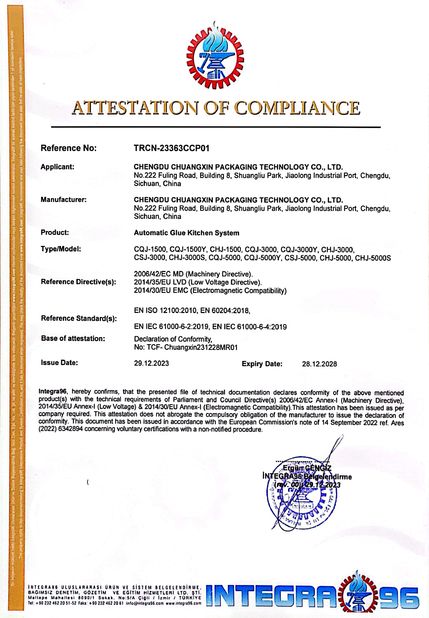
Çin Chengdu Chuangxin Packaging Technology Co., Ltd. Sertifikalar
Müşteri yorumları
İyi bir mühendis, şikayet yok. Operatörlere saygı gösterin. Tüm soruları cevapladı.

—— Aserpel S.A. (Arjantin)

Gerçekten çok iyi hizmet, bilgi, tavır, sorumlu mühendisiniz Li'nin deneyimi.

—— M.PACK A.E. (Yunanistan)

Ben sohbet şimdi
şirket blog
Strategic Material Selection Improves Folder Gluer Performance in Packaging
hakkında en son şirket haberleri Strategic Material Selection Improves Folder Gluer Performance in Packaging

On a high-speed automatic folder-gluer, the frame is more than the skeleton of the machine. It is the structural foundation that governs positioning accuracy and determines how long the equipment will last in service. Frame design and material selection together decide how effectively a machine absorbs vibration and resists deformation during the folding and gluing cycle.

The engineering logic behind material selection

Choosing materials for a folder-gluer frame is not a matter of simply adding more strength. The process is driven by functional zoning and by the conditions under which each section of the machine operates. A well-balanced combination of materials can reduce overall machine weight while making maintenance faster and more accessible.

In practice, that means separating the load-bearing role from the adjustment role. Structural members carry drive torque and dynamic loads, while surfaces that operators touch or reposition call for different priorities: lower mass, corrosion resistance and ease of cleaning.

Material type Core advantages Typical applications
Carbon steel High rigidity, high strength, flexible machining Fixed frames, bases, load-bearing drive structures
Aluminum alloy Low density, light weight, easy adjustment Adjustable guide rails, lightweight brackets, guards
Stainless steel Corrosion resistance, easy cleaning, high hygiene standards Exposed areas, cleaning zones, board-contact parts
Key selection criteria

Engineers designing and specifying a frame generally weigh a defined set of factors before committing to a material:

  • Structural load-bearing: the frame must support the drive, folding and conveying assemblies, and must resist the vibration and deformation generated by moving components.
  • Environmental adaptability: production settings with heavy paper dust, wide humidity swings or frequent washdowns require materials with corresponding corrosion resistance.
  • Machining and maintenance: materials must be compatible with welding, drilling and surface coating processes, and must allow straightforward servicing over the life of the machine.

These criteria often pull in different directions, which is why single-material frames rarely satisfy the full set of requirements. Rigidity requirements favor steel, while adjustment ergonomics and cleaning demands favor aluminum and stainless steel respectively.

Why hybrid structures are preferred

Modern high-performance folder-gluers increasingly adopt a modular approach that pairs a structural frame with a mixed-material assembly. Fixed structures and adjustable structures are separated: steel carries the stability of the overall frame, while aluminum is used at adjustment points that operators handle frequently.

The result is a design that preserves structural rigidity while substantially reducing operator effort. That differentiated approach is regarded as a key factor in raising both running efficiency and the service life of the equipment.

Frequently Asked Questions
Why can't a folder-gluer frame be built from a single material?
Functional requirements differ sharply from one zone to another. Fixed frames need high-rigidity support, where steel is the best fit. Guide rails that are adjusted frequently would add to the operator's workload if made of steel, whereas aluminum offers a better lightweight balance. Mixing materials appropriately achieves the best trade-off between performance and cost.
How are carbon steel frames protected against rust in a production environment?
Carbon steel generally requires a professional surface coating or painting process to isolate it from humid conditions and corrosive substances. Regularly checking coating integrity and keeping the equipment clean are the key measures for extending the service life of a carbon steel frame.
How can it be determined whether a frame design is sound?
A sound frame design should ensure no deformation occurs under full-load operation and that the alignment of all drive components remains highly consistent. Frequent adjustment drift during operation usually indicates insufficient rigidity in the frame design or flaws in the load path planning.
Pub Zaman : 2026-11-03 00:00:00 >> blog list
İletişim bilgileri
Chengdu Chuangxin Packaging Technology Co., Ltd.

İlgili kişi: Mrs. Dolly Pan

Tel: 86-13880447301

Sorgunuzu doğrudan bize gönderin (0 / 3000)